
Essential Guide for the First Time Home Buyer
Ready to buy your first home? This guide for first time home buyers covers everything you need to get started. Learn how to assess your financial readiness, secure a mortgage, and navigate the home buying process step by step as a first time home buyer. Get the essential information you need to make informed decisions confidently.
Key Takeaways
Understanding financial readiness and assessing mortgage options is crucial before starting the home buying process.
Various financial assistance programs, including the First Home Savings Account and land transfer tax rebates, can help first-time buyers manage costs effectively.
Awareness of closing costs and the importance of thorough inspections can prevent unexpected financial burdens and ensure a smoother transaction.
Getting Started with Home Buying
Starting the journey to home ownership requires thorough preparation and research. Understanding mortgages, budgeting, and affordability is key to making informed decisions regarding your principal residence.
The home buying process can be broken down into three main stages: planning, finding a home, and closing the deal. Each stage requires careful consideration and strategic planning. Utilizing home buying questions and resources can boost your confidence and help you make informed choices. This step by step guide can assist you throughout the journey.
Assess Your Financial Readiness
Assess your financial readiness before entering the home buying process. Knowing your borrowing capacity helps avoid future financial strain. Start with a mortgage pre-approval application, which usually doesn’t affect your credit score. Lenders will ask for documentation like proof of income, identification, and details about your assets and debts.
Preparing these documents in advance can streamline the mortgage pre-approval process and clarify your borrowing limits.
Understanding Down Payments
A down payment is the initial amount you pay upfront towards the home’s purchase price. For homes valued at up to $500,000, the minimum down payment is 5%, while homes priced above $1.5 million require a down payment of 20%. It’s important to know how much mortgage you can afford based on your home value down payment.
If your down payment is less than 20%, you’ll need to pay for mortgage default insurance, which:
Protects lenders in case you default on the loan
Adds to your monthly mortgage payments
Is a requirement for high-ratio mortgages (those with less than 20% down payment)
A higher down payment can lower your mortgage amount and potentially secure better interest rates, making home ownership more affordable over time while paying less money in the long run.
Budgeting for Upfront Costs
Besides the down payment, plan for upfront costs, which can range from 2% to 3% of the home’s purchase price. These include closing costs, legal fees, and title insurance.
Accounting for these additional expenses can prevent financial surprises and ensure a smoother home buying experience. Factor them into your overall budget when purchasing a home.
Exploring Financial Assistance Programs

Financial assistance programs can significantly alleviate the financial burden of buying a home, especially for first-time home buyers. Programs like the First-Time Home Buyer Incentive, which provided assistance with down payments through shared equity mortgages, have been designed to make home ownership more accessible.
Although new approvals for the First-Time Home Buyer Incentive ended on March 31, 2024, there are still several other programs available. These include the First Home Savings Account (FHSA), the RRSP Home Buyers’ Plan (HBP), and various land transfer tax rebates. Familiarizing yourself with these programs can maximize your savings and make your home purchase more affordable.
First Home Savings Account (FHSA)
The First Home Savings Account (FHSA) is a fantastic tool for first-time home buyers looking to save for their down payment. Key features include:
Tax-free savings account
Contribution limit of up to $8,000 per year
Lifetime maximum contribution of $40,000
Tax-deductible contributions
To open an FHSA, you’ll need a government-issued ID and a Social Insurance Number (SIN). Tax-free withdrawals for purchasing a qualifying home make it a valuable tool for saving.
RRSP Home Buyers’ Plan (HBP)
Another valuable program is the RRSP Home Buyers’ Plan (HBP), which allows first-time buyers to withdraw up to $60,000 from their registered retirement savings plan for home purchasing without immediate tax consequences. This can be a significant boost to your down payment savings.
Although the HBP allows tax-free withdrawals, remember to withdraw funds and repay these funds to your RRSP over 15 years. Missing an annual repayment triggers taxation of that amount for that calendar year.
Land Transfer Tax Rebate
First-time home buyers in certain provinces like British Columbia, Ontario, and Prince Edward Island can benefit from land transfer tax rebates, reducing the financial burden of these taxes.
In Toronto, for instance, first-time home buyers can receive an additional housing rebate on the city’s land transfer tax, providing further financial relief. Overall, land transfer tax rebates can significantly lower the upfront costs of purchasing a home.
Mortgage Pre-Approval and Options
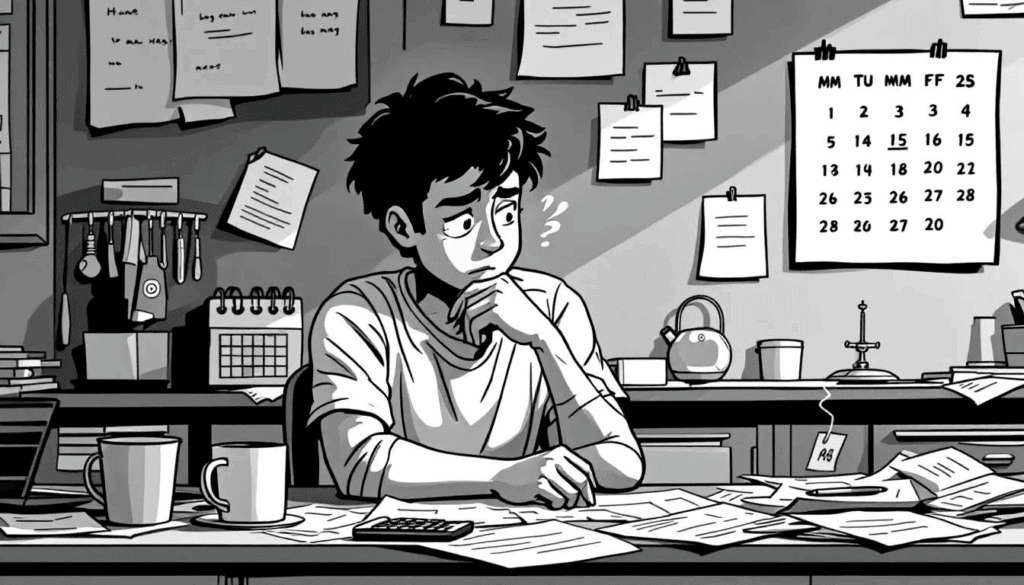
Securing mortgage pre-approval is crucial, as it clarifies your budget and maximum loan amount, giving you a competitive edge in a fast-paced market. Understanding the various mortgage options available helps in making informed decisions.
A down payment is a prerequisite for obtaining a mortgage and directly influences the loan amount and interest rates. Exploring fixed vs. variable rate mortgages and high-ratio vs. conventional mortgages can help you choose the best option for your financial situation.
Applying for Mortgage Pre-Approval
Mortgage pre-approval is a straightforward process to determine how much a lender will approve. Take this step early in the home buying process, ideally while contacting a realtor and viewing homes.
The interest rate in your mortgage pre-approval can be held for up to 120 days, offering stability during house hunting. Understand the difference between open and closed mortgages concerning prepayment options.
Fixed vs. Variable Rate Mortgages
Fixed-rate mortgages provide stability with consistent monthly payments, making budgeting easier and offering peace of mind as the interest rate remains unchanged.
On the other hand, variable-rate mortgages are influenced by market conditions and can change based on the lender’s prime rate. While they can lead to lower initial payments, they carry the risk of increasing payments over time.
High-Ratio vs. Conventional Mortgages
High-ratio mortgages require a down payment of less than 20%, meaning you borrow more than 80% of the property’s value. These mortgages typically require mortgage default insurance to protect lenders in case of default.
Conventional mortgages, on the other hand, require a down payment of more than 20% and do not require default insurance if the down payment exceeds 20%. Understanding these differences can help you make an informed decision about your home financing options.
House Hunting Tips
House hunting is an exciting yet challenging part of the home buying process. Important steps to consider include:
Evaluating your needs and expectations
Creating a checklist of essential and desired features
Considering visiting multiple neighborhoods to find the best fit for your lifestyle
A well-prepared offer can significantly increase the chances of securing a property in a competitive market. Budgeting for closing costs, mortgage information, and paperwork should also be included in your home shopping to-do list.
Creating a Home Wishlist
Creating a home wishlist is essential. Identify features like the number of bedrooms, outdoor space, and proximity to schools. Differentiate between must-haves and nice-to-haves.
When making your wishlist, consider location, size, and amenities. Prioritize needs like the number of bedrooms and proximity to work to streamline your home search.
Working with Realtors
Selecting a real estate agent who understands your specific needs can greatly impact your home-buying success. A good realtor can provide access to listings before they are publicly available and offer invaluable industry insights.
A real estate agent simplifies the home buying process, helping you navigate complexities. They assist with negotiating offers and managing paperwork, ensuring a smoother transaction.
Home Inspections
Home inspections are crucial for uncovering hidden problems, such as structural damage, pest infestations, or faulty systems, potentially saving you from costly repairs.
Hiring a certified inspector offers peace of mind by identifying safety hazards and potential future expenses. A thorough inspection can reveal significant issues requiring costly repairs.
Making an Offer and Closing the Deal

The final step is making an offer and contacting a mortgage advisor. Meet with several real estate agents and check their credentials and references before choosing one. Typically, the seller pays the agent.
Discuss repayment options for the First-Time Home Buyer Incentive with your lender. Repayment is due after 25 years or when the property is sold, whichever comes first.
Crafting a Competitive Offer
In competitive markets, making a strong offer is crucial. Offers without conditions enhance competitiveness, especially in multiple-offer scenarios. Understanding the seller’s preferences, like move-out dates, can make your offer more appealing.
Include specific items you want in the purchase, like appliances or fixtures, to prevent misunderstandings and ensure both parties agree on what has been purchased.
Understanding Closing Costs
Closing costs can range from 1.5% to 4% of the property’s purchase price and include fees like title insurance and legal charges, which should be factored into your budget.
In addition to the down payment, account for the following costs:
Closing costs and legal fees
Expenses for home inspections
Title insurance
Property taxes
Awareness of these costs can prevent financial surprises and ensure a smoother cost closing process.
The Closing Process
Closing involves paperwork, the final delivery of funds, and receiving the keys to your new home. Final documents are signed at your lawyer’s or notary’s office on closing day.
A real estate lawyer or notary is crucial for understanding legal terms during closing. The final delivery of closing funds coincides with receiving the keys, marking the official transfer of ownership.
Protecting Your Investment
Protecting your home investment is essential for long-term financial stability and security. Home insurance covers property damages and liability for injuries on your property.
Mortgage protection plans ensure your mortgage is paid off in unforeseen circumstances, safeguarding your investment. Planning for future expenses, including regular maintenance and unexpected repairs, preserves your home’s value.
Home Insurance Requirements
Lenders require proof of homeowners’ insurance at closing. Ensure it meets lender requirements and is comprehensive for repairs or rebuilding. Home insurance typically covers damages from disasters, theft, and liability claims.
Compare insurers to find the best coverage for your needs. Regularly review and update your home insurance policy to ensure adequate coverage as your needs change.
Mortgage Protection Plans
Mortgage protection plans offer peace of mind by ensuring your mortgage is paid off in unforeseen circumstances. They are particularly beneficial for first-time buyers without substantial savings.
Evaluate various mortgage protection options and choose one that fits your financial situation. Discuss these options with your lender to ensure adequate coverage.
Planning for Future Expenses
Set aside funds in a dedicated account to manage ongoing maintenance and repair costs. A good rule of thumb is to allocate around 2% of your home’s value annually for these expenses.
Planning for future expenses ensures you can manage ongoing repairs and maintenance effectively. A dedicated budget for home maintenance helps manage costs and prevents financial strain.
Summary
Navigating the home buying process can be a complex journey, but with the right knowledge and preparation, it can also be incredibly rewarding. From assessing your financial readiness and understanding down payments to exploring financial assistance programs and securing mortgage pre-approval, every step is crucial.
Remember to take your time during house hunting, craft a competitive offer, and be prepared for closing costs and the closing process. Protecting your investment with home insurance and mortgage protection plans, and planning for future expenses will ensure long-term financial stability. Happy house hunting, and may your journey to home ownership be smooth and fulfilling!
FAQs
What is the minimum down payment required for a home purchase?
The minimum down payment required for a home purchase is 5% for homes valued up to $500,000 and 20% for homes priced above $1.5 million. It’s essential to consider these thresholds when planning your home investment.
What is the First Home Savings Account (FHSA)?
The First Home Savings Account (FHSA) is a tax-free savings option specifically for first-time home buyers, enabling annual contributions of up to $8,000 and a lifetime maximum of $40,000 for down payments.
What are the benefits of the RRSP Home Buyers’ Plan (HBP)?
The RRSP Home Buyers’ Plan (HBP) enables first-time buyers to withdraw up to $60,000 from their RRSPs tax-free for home purchases, with the amount needing to be repaid over 15 years. This can significantly enhance your ability to afford a home while providing financial flexibility.
What are closing costs, and how much should I budget for them?
Closing costs typically range from 1.5% to 4% of the purchase price of a property, encompassing various fees like title insurance, legal charges, and property taxes. It’s important to budget for these expenses to avoid any financial surprises at the closing table.
Why is home insurance important?
Home insurance is crucial for safeguarding your property from various risks such as disasters and theft, and it often serves as a requirement for securing a mortgage. Without it, you expose yourself to significant financial risks.
Helpful Resources:
 Let’s Talk About YOUR Home
 Let’s Talk About YOUR Home
 Want to know what upgrades will boost your sale price?
Let’s walk through your home and build a custom “Prep to Sell” plan. Call or text 437-440-3017 or book your free consultation